
What Is Online Learning for Preschoolers?
Benefits of Online Learning for Children Under 6
- 1. Continuity of Learning: One of the greatest advantages is that children can maintain a connection with learning during periods when attending preschool is not possible. Even short virtual sessions help preserve routines and familiarity with teachers and classmates.
- 2. Flexible Scheduling: Families can often choose when to complete activities, making it easier to adapt learning to a child’s mood, energy level, and daily routine. This flexibility is especially valuable for working parents.
- 3. Parent Involvement Increases: Unlike traditional classroom settings, online learning allows parents to observe teaching methods directly and gain a better understanding of their child’s strengths, interests, and developmental needs.
- 4. Access to Diverse Educational Resources: High-quality digital resources can enrich learning through music, storytelling, visual demonstrations, printable worksheets, and interactive games that may not always be available at home.
- 5. Early Digital Familiarity: When used in moderation and under supervision, digital tools can help children develop basic technological awareness, such as following instructions, recognizing icons, and participating in simple interactive activities.
Drawbacks of Online Learning for Preschoolers
- 1. Increased Screen Time: Young children learn best through movement, touch, conversation, and real-world exploration. Extended exposure to screens may contribute to:Eye strainReduced physical activitySleep disturbancesIrritability and fatigueDifficulty sustaining attentionThe AAP recommends that screen use for children ages 2–5 should be limited, purposeful, and accompanied by adult interaction whenever possible.
- 2. Reduced Social Interaction: Preschool is not only about academic readiness; it is also where children learn to share, cooperate, take turns, resolve conflicts, and build friendships. These social experiences are difficult to replicate fully in a virtual environment.
- 3. Heavy Dependence on Parents: Most preschoolers cannot participate independently in online classes. Parents often need to prepare materials, manage technology, maintain attention, and provide emotional support throughout the session.
- 4. Short Attention Span Challenges: Children under six typically have limited attention spans. Long video calls or lecture-style instruction can quickly lead to boredom, frustration, and reduced learning retention.5. Unequal Access to TechnologyNot all families have reliable internet connections, appropriate devices, or quiet learning spaces, which can create inequalities in educational opportunities.

What Makes Online Learning Effective for Preschool Children?
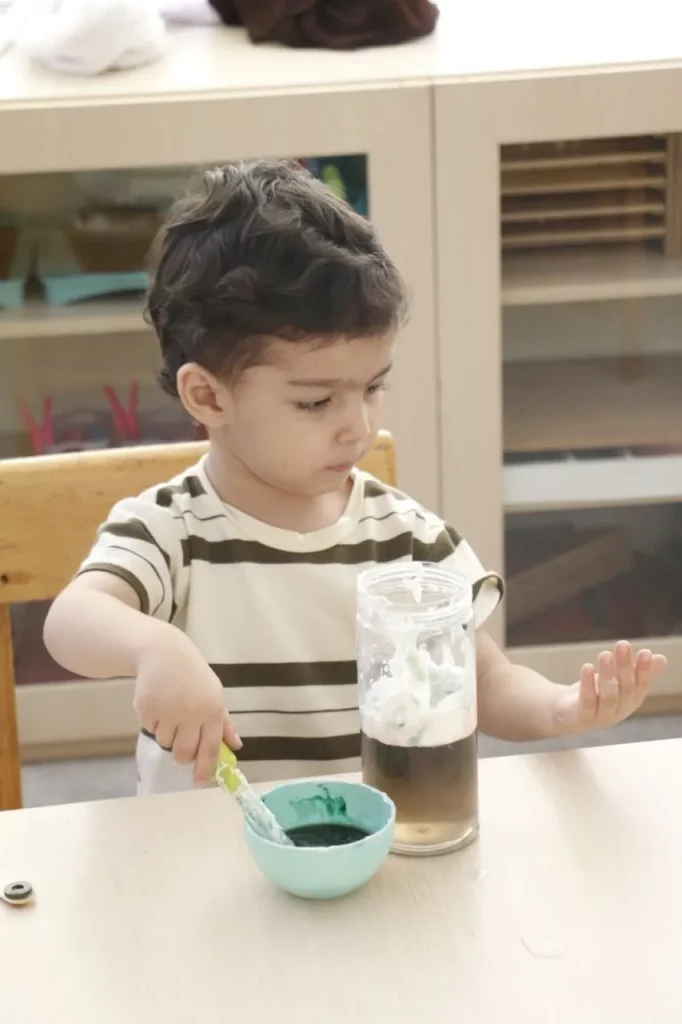
An effective virtual preschool session should be:Short: 10–20 minutes per activityInteractive: children should respond, sing, move, or create somethingPlay-based: learning should feel like play rather than formal schoolingMovement-oriented: include dancing, stretching, clapping, or jumpingHands-on: combine digital instruction with real objects, paper, crayons, blocks, or toysThe goal is not to keep children sitting still in front of a screen, but to use technology as a tool that supports active learning.
7 Practical Solutions for Parents
- 1. Create a Simple Learning SpaceChoose a small, comfortable area with good lighting and minimal distractions. A consistent space helps children recognize when it is time for learning.
- 2. Use Short Learning BlocksInstead of a single one-hour session, try a schedule like this:10 minutes: story time10 minutes: song and movement15 minutes: art or craft activity10 minutes: counting or sorting gameShorter activities match the developmental needs of preschoolers much better than long lessons.
- 3. Balance Screens with Physical PlayA helpful rule is “20 minutes of screen-based learning, followed by at least 20 minutes of active play.” Encourage running, dancing, building, or outdoor exploration whenever possible.
- 4. Participate Without Taking OverSupport your child by asking questions, encouraging effort, and celebrating curiosity. Avoid completing tasks for them; independence develops through exploration and trial-and-error.
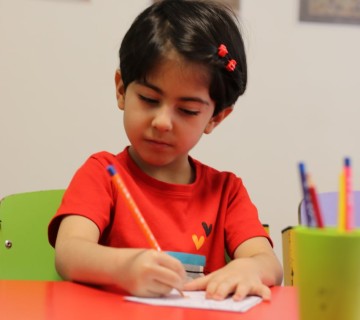
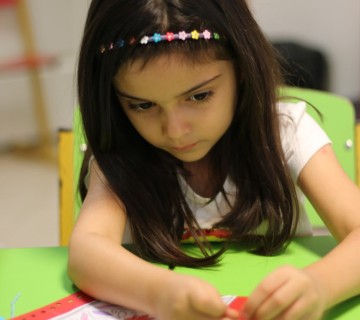
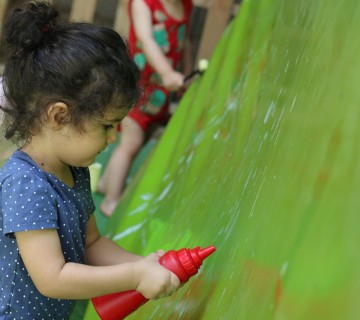
- 5. Include Offline ActivitiesSome of the best preschool learning happens away from screens:Drawing and coloringCutting and gluingBuilding with blocksSorting household objects by color or sizeCounting toys, spoons, or buttonsPretend play and storytellingThese activities strengthen fine motor skills, language development, and problem-solving abilities.
- 6. Protect Sleep and Family RoutinesAvoid educational videos or interactive apps close to bedtime. Experts recommend stopping screen use at least one hour before sleep to support healthy sleep patterns.
- 7. Focus on Quality Over QuantityA joyful, engaging 15-minute interactive activity is far more valuable than an hour of passive video watching. Young children remember experiences that involve emotion, movement, and human connection.
Can Online Learning Replace Preschool Completely?
Final Thoughts
For families with children under six, the healthiest approach is to combine short, interactive online activities with abundant real-world play, conversation, movement, creativity, and emotional connection. Technology should support early childhood development—not replace the hands-on experiences that young children need most.By keeping learning playful, flexible, and relationship-centered, parents can
Authoritative References
UNESCO — Distance Learning Strategies for Early Childhood EducationAmerican Academy of Pediatrics — Media and Young MindsUNICEF — Early Childhood Development and Digital Learning GuidanceWorld Health Organization — Guidelines on Physical Activity, Sedentary Behaviour and Sleep for Children Under 5 Years of Age
FAQ (Schema-Friendly)
- Is online learning suitable for a 4-year-old?
Yes, if sessions are short, interactive, play-based, and supported by an adult rather than relying on independent screen use. - How long should an online preschool session last?
Most experts recommend 10–20 minutes per activity for children under six, with frequent movement breaks. - What is the biggest disadvantage of online learning for preschoolers?
Excessive screen time and reduced opportunities for real social interaction are the most significant concerns for young children. - How can I improve my child’s focus during online learning?
Use short activities, include songs and movement, reduce distractions, and combine digital lessons with hands-on tasks such as drawing, sorting, or building. - Can online learning replace preschool completely?
No. Online learning is best used as a supplement to support learning during special circumstances, while children continue to benefit from in-person play, social interaction, and sensory experiences.


No comment